Meru Accounting

Hassle-Free Travel Accounting Services

Hire Remote Bookkeeper, Accountant, Tax Preparer, or Admin Staff

Monthly Bookkeeping, Payroll, Financial Reports, and Tax Help for Travel Businesses
    travel accounting

    Accounting and Bookkeeping for Travel and Tourism Industry in Australia

    The Travel and Tourism Industry in Australia stands as a vibrant and dynamic sector, contributing significantly to the nation’s economy and cultural landscape. This industry is surrounded by attraction and dynamism. But, maintaining accurate and transparent financial records is very important in this industry. 

    Effective accounting and bookkeeping practices ensure not only regulatory compliance but also contribute to strategic decision-making and sustainable growth. Let’s understand the core aspects of the Travel and Tourism Industry in Australia, the specific requirements of accounting and bookkeeping within this sector, and the specialized services provided by Meru Accounting to meet its unique demands.

    Core Aspects of the Travel and Tourism Industry in Australia

    The travel and tourism industry in Australia is a vital sector that contributes significantly to the country’s economy, cultural exchange, and global recognition. Known for its diverse landscapes, unique wildlife, rich indigenous heritage, and vibrant cities, Australia has become a desirable destination for both domestic and international travelers. Let’s have a look at some core aspects of the Travel and Tourism Industry in Australia:

    Economic Impact

    The travel and tourism industry is a cornerstone of Australia’s economy. It generates billions of dollars in revenue annually, providing jobs and supporting various sectors. In 2019, tourism contributed AUD 60.8 billion to the nation’s GDP, employing over 666,000 people across a wide range of roles, from hospitality to transportation. The revenue generated from tourism helps stimulate other industries, such as hospitality, retail, and transportation, making it a crucial driver of economic growth.

    Popular Attractions

    Australia’s diverse attractions draw travelers from around the world. The iconic Sydney Opera House, Sydney Harbour Bridge, and the stunning beaches of Bondi and Manly attract visitors seeking both cultural experiences and natural beauty. The Great Barrier Reef, a UNESCO World Heritage Site, is another major drawcard, offering unparalleled opportunities for diving and snorkeling. Uluru (Ayers Rock) and the Kata Tjuta rock formations hold immense spiritual significance to the indigenous communities and are popular destinations for both cultural and adventure tourism.

    Challenges

    Despite its many advantages, the Australian travel and tourism industry faces several challenges. One such challenge is the country’s geographic isolation, making air travel the primary mode of international access. This can lead to higher airfares, which may be a concern for budget-conscious travelers. Additionally, Australia’s distance from major markets like Europe and North America can result in longer travel times, potentially affecting the decision to visit.

    Environmental Concerns

    The environmental impact of tourism cannot be ignored. Australia’s delicate ecosystems, such as the Great Barrier Reef and national parks, are vulnerable to over-tourism, pollution, and habitat destruction. The government and industry stakeholders are increasingly focused on promoting sustainable tourism practices to minimize these negative effects. Efforts include eco-certification programs for accommodations, wildlife protection initiatives, and raising awareness about responsible tourism among visitors.

    Indigenous Tourism

    Australia’s indigenous culture is one of the oldest living cultures on Earth. Indigenous tourism offers travelers the chance to learn about the country’s original inhabitants through guided tours, cultural performances, and visits to significant sites. This type of tourism provides economic opportunities for indigenous communities and helps preserve their heritage. However, indigenous tourism must be conducted with respect for cultural sensitivities and in collaboration with the communities involved.

    Digital Transformation

    Like other industries, the travel and tourism industry is also having digital transformation. Online platforms and mobile apps have revolutionized the way travelers research, book, and experience trips. Accommodation booking websites, review platforms, and mobile navigation apps are essential tools for modern tourists. Australian tourism businesses have embraced this trend, using social media and digital marketing to reach potential visitors and enhance their experiences.

    Requirements of Accounting and Bookkeeping for
    the Travel and Tourism Industry in Australia

    The travel and tourism industry in Australia is a significant contributor to the country’s economy, generating billions of dollars in revenue each year. Just like any other sector, accounting, and bookkeeping play a crucial role in ensuring the financial health and success of businesses within this industry. Let’s go through the unique requirements of accounting and bookkeeping in the travel and tourism sector which will give you a clear understanding of industry-specific intricacies, regulations, and best practices:

    01. Revenue Recognition and Cost Allocation

    Accounting for revenue and costs in the travel and tourism industry can be complex due to the timing differences between when services are booked and when they are delivered. Airlines, hotels, tour operators, and other businesses in this sector often receive payments in advance for services that will be provided in the future. Properly recognizing this revenue and allocating associated costs in the appropriate accounting period is crucial. Australian Accounting Standards (AASBs) such as AASB 15 provide guidance on revenue recognition, which must be followed to ensure accurate financial reporting.

    02. GST (Goods and Services Tax)

    In Australia, the Goods and Services Tax (GST) is a value-added tax of 10% that applies to most goods and services, including those offered in the travel and tourism industry. Businesses in this sector need to accurately calculate, collect, and remit GST to the Australian Taxation Office (ATO). Maintaining thorough records of all GST transactions is essential for compliance and accurate reporting.

    03. Tour Operator and Accommodation Accounting

    Tour operators and accommodation providers in the travel and tourism industry need to manage a variety of financial aspects, including reservations, cancellations, refunds, and no-shows. Proper tracking of customer payments, refunds, and adjustments is necessary to ensure accurate financial statements. Automation through accounting software can streamline these processes, reducing the risk of errors and improving efficiency.

    04. Foreign Exchange and Currency Conversion

    The travel and tourism industry often deals with international customers and transactions, which introduces currency exchange rate fluctuations. Businesses in this sector need to properly account for these fluctuations when converting foreign currencies into Australian dollars. Accurate record-keeping of exchange rates and currency conversion processes is vital to avoid misstatements in financial reports.

    05. Payroll and Employment Regulations

    The industry employs a diverse workforce, including part-time, full-time, seasonal, and casual employees. Managing payroll effectively involves adhering to Australian employment regulations, superannuation requirements, and tax withholding obligations. The use of accounting software can help automate payroll calculations and ensure compliance with labor laws.

    06. Inventory and Asset Management

    Hotels and other businesses in the travel and tourism sector often have significant inventories of goods, such as linens, toiletries, and food supplies. Proper inventory tracking is essential to manage costs, prevent theft or losses, and accurately value assets. This becomes especially important during audits or when preparing financial statements.

    07. Reporting and Financial Analysis

    Accounting and bookkeeping in the travel and tourism industry are not only about compliance but also about using financial data to make informed decisions. Generating regular financial reports and conducting in-depth analyses can provide insights into business performance, enabling management to identify trends, optimize pricing strategies, and allocate resources effectively.

    08. Technology and Automation

    Given the complexities of the industry, accounting software can be a valuable tool for businesses in the travel and tourism sector. Advanced accounting software can automate processes, integrate various financial functions, and enhance accuracy in tracking and reporting financial data.

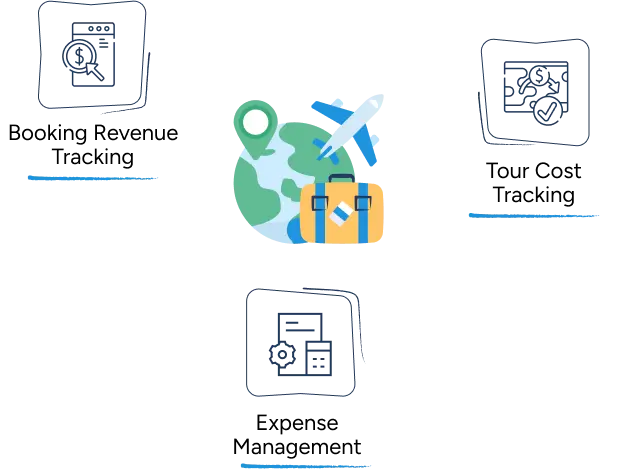
    Meru Accounting's Specialized Services
    for the Travel and Tourism Industry

    Conclusion

    The Australian Travel and Tourism Industry’s importance and complexities demand careful financial management. Effective accounting and bookkeeping practices not only ensure compliance but also offer insights critical for sustainable growth. Meru Accounting’s specialized services are tailored to meet the unique challenges of the sector, providing businesses with the tools they need to navigate the financial landscape and begin a journey toward excellence. If you are having a business in the travel and tourism industry of Australia, you must partner with Meru Accounting for professional accounting and bookkeeping services to ensure sustainable growth and success.